
Your one-stop pilot resource hub for clear, easy-to-follow aviation guidance in Western Washington. Find helpful information on flight training, DPEs, flight reviews, medical certificates, testing, aircraft ownership, and the next steps in your pilot journey, all in one simple place.
Whether you’re starting flight training, preparing for a checkride, looking for a DPE, researching aircraft ferrying, or trying to understand medical requirements, this page is built to help you find the next right step without digging through the entire internet.
Use this hub as a starting point for official resources, helpful links, and practical aviation guidance.
Aviation Resource Center

Pilot resources without the rabbit hole.
Start Here
New to aviation? Start here.
The FAA’s pilot resources break down the basics, including pilot certificates, eligibility, training requirements, testing, and the steps to begin flight training.
Helpful for:
Qualifications to become a pilot, student pilot certificates, private pilot requirements, training paths, and what to ask before getting started.
FAA Knowledge Testing
FAA knowledge tests are scheduled through PSI, the official testing provider for FAA airman exams. Use PSI to schedule your written exam, review testing requirements, confirm authorization needs, and make sure you know what to bring on test day.
Helpful for:
PSI testing, written exam scheduling, test authorization, knowledge test prep, retesting questions, and test day requirements.
Practical Test + DPE Info
When you’re ready for an FAA practical test, it helps to know what the process looks like and where to find the right examiner. The FAA’s Airman Certification Standards outline the knowledge, risk management, and flight proficiency areas pilots are expected to understand for each certificate or rating.
A Designated Pilot Examiner, or DPE, is an FAA-appointed examiner who conducts practical tests. Use the FAA’s official designee locator to search for DPEs and review examiner information.
Helpful for:
Practical test preparation, finding a DPE, understanding oral and flight portions, reviewing ACS standards, managing student pilot nerves, and knowing what to expect.
Medical Certification
AME + Medical Certificate Resources
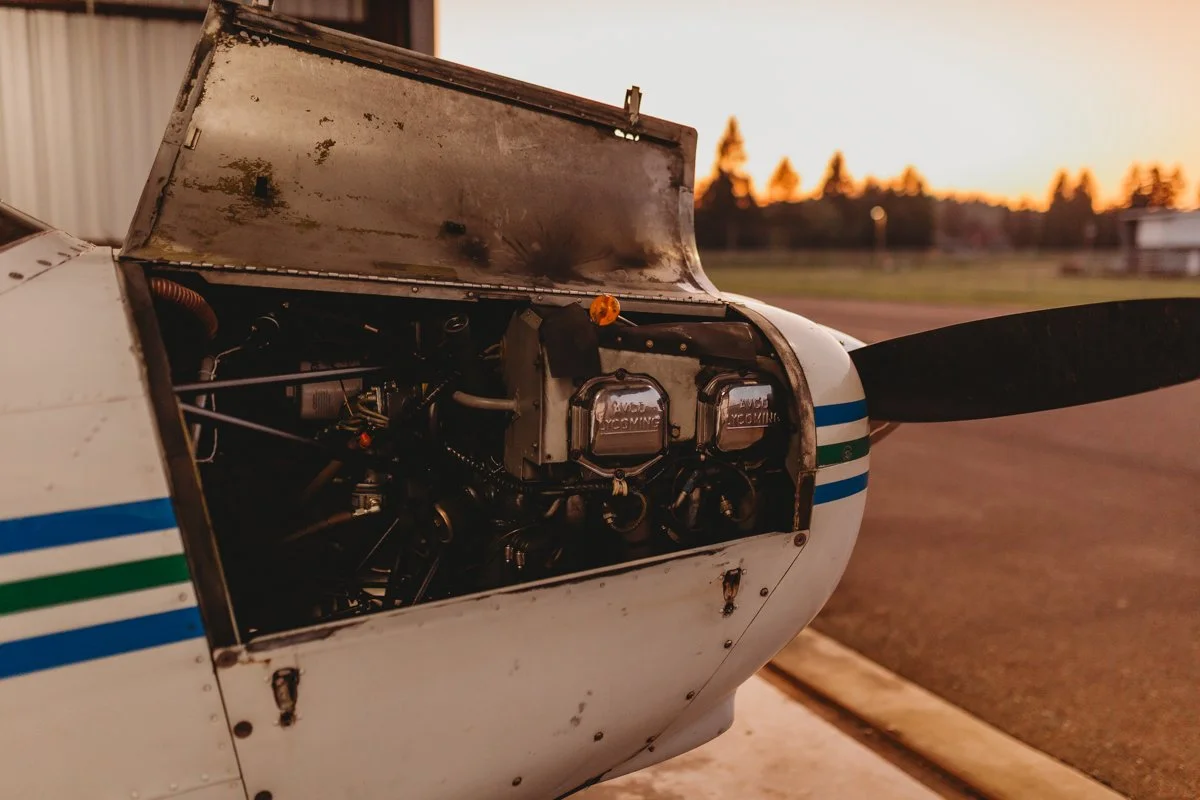
Some pilots need an FAA medical certificate before they can fly, depending on the type of certificate, rating, and flying they plan to do. The FAA’s medical certification resources can help you understand the basics, find an Aviation Medical Examiner, and complete your MedXPress application before your exam.
Helpful for:
Finding an AME, using FAA MedXPress, understanding medical certificate basics, preparing for your medical exam, reviewing first, second, and third-class medicals, and answering common medical certification questions.
Certificates, Applications + Renewals
FAA Applications + Airman Certification
IACRA is the FAA’s online system for airman certification and rating applications. Students and pilots use it to apply for certificates, add ratings, and complete important FAA application steps.
Helpful for:
IACRA account setup, student pilot certificates, adding ratings, certificate applications, renewal questions, updating pilot information, and airman certificate lookup.

Flight Review
A flight review helps pilots stay current, proficient, and confident in the cockpit. Whether you’re due for a review, coming back after time away, or just want to sharpen your skills, Lima Charlie Flights offers flight review prep to help you feel more ready before you fly.
You can also use FAA Safety Team resources and the WINGS Pilot Proficiency Program to continue training, improve safety, and track proficiency. In some cases, completing a WINGS phase may satisfy flight review requirements.
Helpful for:
Flight review prep, staying current, refresher training, WINGS Pilot Proficiency Program, currency vs. proficiency, and understanding what happens during a flight review.

Learn Before You Fly
Ground school is where the knowledge side of flying starts to click. From weather and airspace to aircraft systems, regulations, navigation, radio communication, safety, and decision-making, these resources help students build a stronger foundation before and between lessons.
The FAA offers official handbooks, manuals, and ACS resources that are helpful for student pilots, current pilots, and anyone who wants to keep learning.
Helpful for:
Ground school basics, FAA handbooks, the Pilot’s Handbook of Aeronautical Knowledge, Airplane Flying Handbook, ACS study guides, weather resources, airspace basics, and radio communication.

Washington Aviation Resources
Local Pilot Tools
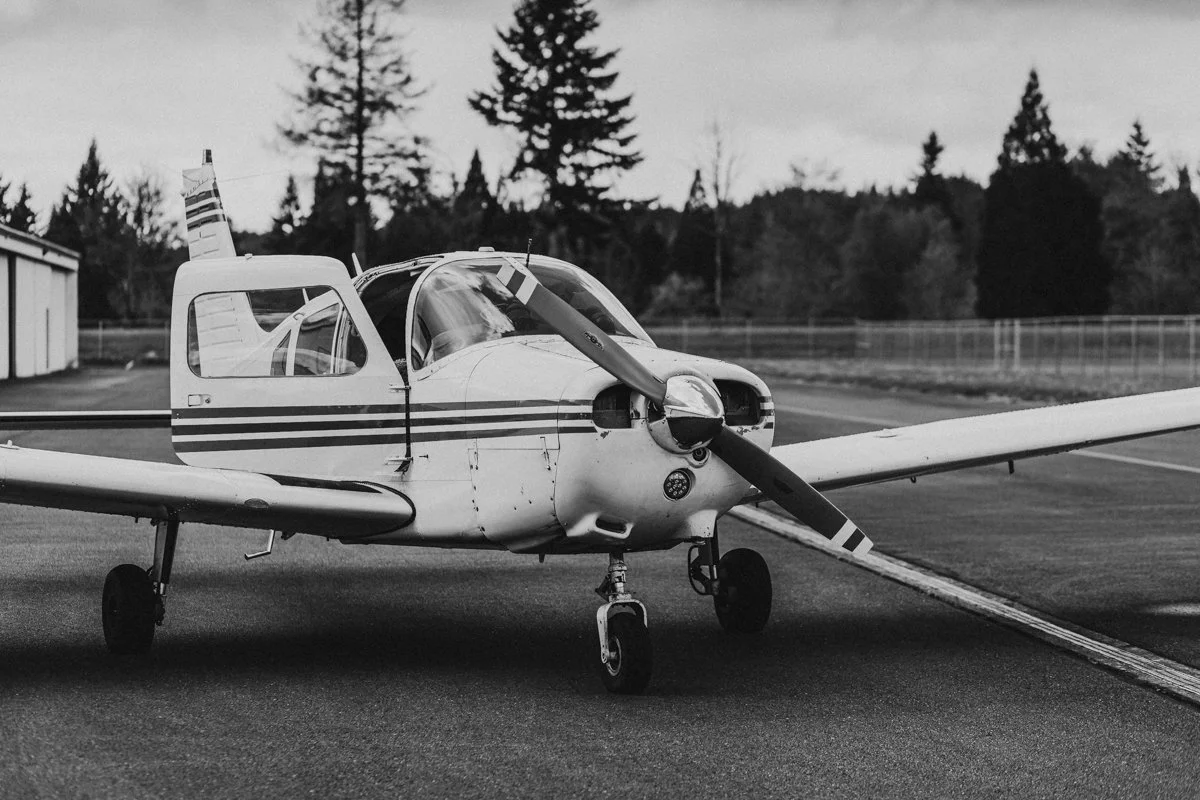
For Washington pilots, WSDOT Aviation is a helpful place to find local airport information, aircraft registration resources, aviation news, and planning tools for flights around the South Sound and beyond. The Washington State Airport Guide includes airport details like runways, lights, elevation, location, and other useful planning information.
Helpful for:
Washington airport guides, aircraft registration, local airport resources, South Sound aviation, Olympia / Tacoma / Chehalis area flying, and Washington aviation news.
Aircraft Ferrying Resources
Moving an aircraft? Lima Charlie Air offers aircraft ferrying, and this resource section is here to help aircraft owners understand the basics before getting started.
Aircraft ferrying may be needed after a purchase, relocation, maintenance, ownership change, or when an aircraft needs to be moved to a new airport. Every ferry flight is different, so it helps to have a few details ready: aircraft type, current location, destination, timeline, aircraft condition, documents, insurance information, and any travel logistics.
For general FAA information, aircraft owners can also review special flight permit guidance, often called a ferry permit, when an aircraft may not meet current airworthiness requirements but is still capable of safe flight.
Helpful for:
Aircraft ferrying basics, when to hire a ferry pilot, what owners should prepare, aircraft documents, aircraft condition, insurance questions, transportation expectations, domestic ferrying, and international ferrying.

Aircraft Ownership
For Current + Future Owners
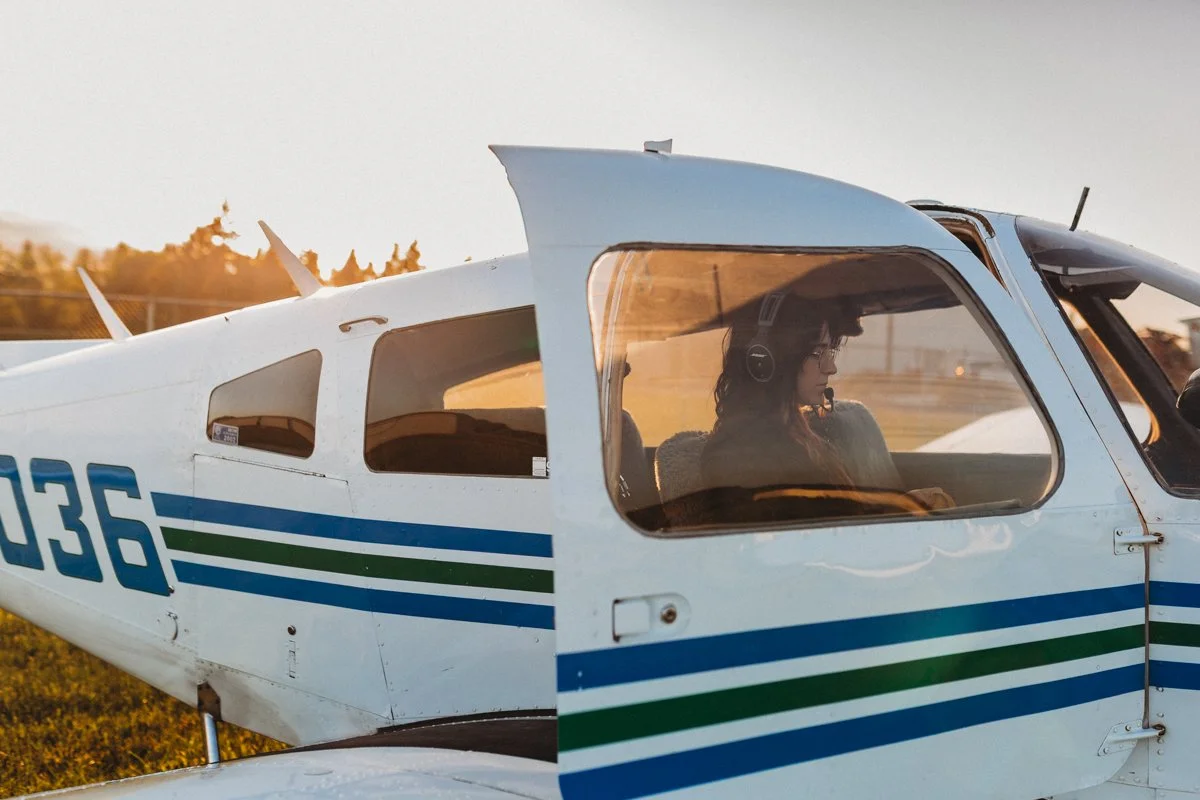
Owning an aircraft comes with a lot of moving parts, from registration and insurance to maintenance, inspections, logbooks, storage, and ferrying after purchase. This section is here to help current and future aircraft owners understand what to research, what questions to ask, and what details to have ready before making decisions.
Aircraft owners are responsible for keeping their aircraft in an airworthy condition, so it’s important to understand maintenance records, annual inspections, required documents, and the support team you may need along the way.
Helpful for:
Buying an aircraft, pre-buy inspections, logbooks, annual inspections, maintenance basics, aircraft registration, insurance, hangar or tie-down planning, and ferrying after purchase.